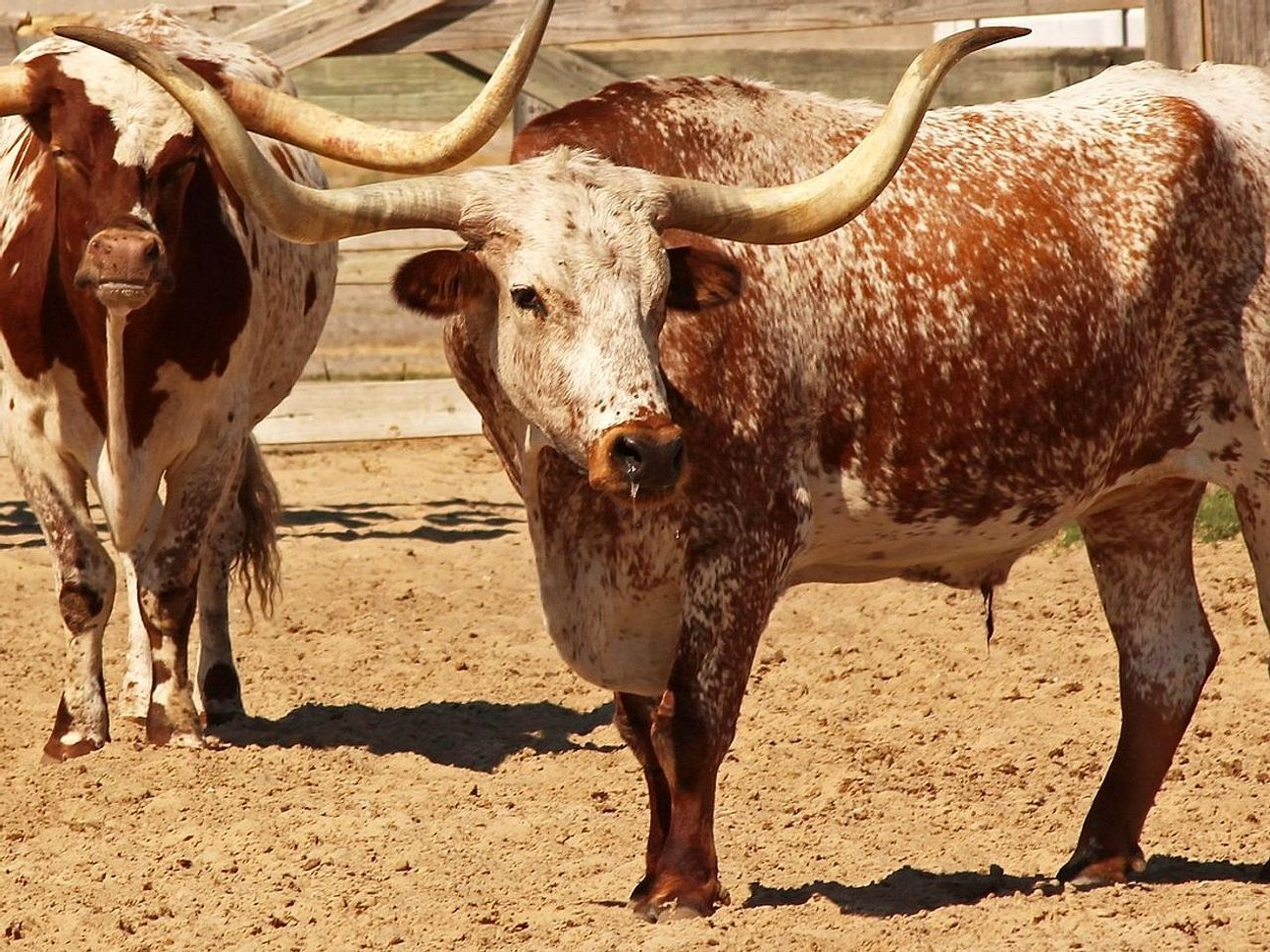
There is a stretch of the morning that belongs entirely to a bull farm. It begins about an hour before the sun clears the horizon, when the cattle barn doors are rolled open and the first scoops of cattle feed hit the troughs. Anyone who has crossed the pasture at that hour, walking past bulls still settled in the dark and calves pressed close to their mothers, will tell you the same thing: this quiet work before dawn is the real backbone of livestock farming, not the parts of the day anyone else ever sees. The pasture is still dark, the bulls haven't moved, and the whole place depends on someone showing up anyway.
The barn is not empty
The first surprise is how much there is to hear in a cattle barn before sunrise. With no light to lead by, the ear takes over — water trickling into the trough, a bull shifting his weight against the rail, the dry rustle of calves moving through fresh straw a few stalls away, the low creak of the gate as the night wind finds it. Farmhands who normally move through morning chores at a steady clip find themselves stopping every few minutes for no reason they can name, just listening to the herd settle into the day before the cattle feed carts ever reach the barn.
None of this is mystical. Sound carries further across cold, still pasture air, and there is far less noise competing with it than at midday when the cattle are fed and moving. Knowing why does not make it any less strange the first time you hear a bull breathe from fifty yards off. By midmorning, once the herd is up and the trucks start running cattle feed out to the pasture, that quiet is gone for the rest of the day.
The second surprise is how well the eyes cope once they adjust to a dark pasture. Given twenty minutes without a torch, most people can pick out the fence line and the shapes of cattle grazing by the difference between the sky and everything beneath it. The trick is not to stare straight at the herd: peripheral vision handles low light far better, so a bull or a cluster of calves shows up best when you look slightly past them rather than straight on. Old hands who have worked a bull farm for years barely use a flashlight at all before sunrise, trusting their eyes over the beam.
There is a limit, and it is worth being honest about it. Under heavy cloud with no moon, the pasture disappears into a single flat dark shape, and the sensible thing is to switch on the light you brought before you walk anywhere near the bulls or the cattle barn fence. Nobody hands out prizes for stumbling into a water trough at five in the morning, and a startled bull is not something you want to meet in the dark.
What the herd asks of you
An earlier night, which is the part almost nobody manages. One more layer than you think you need, because the coldest point of the whole day arrives shortly before sunrise rather than in the middle of the night. And a route through the pasture you already know, since this is not the hour to find out whether the gate to the cattle barn is still latched or whether a bull has pushed through the fence overnight.
Also: tell someone where you have gone, especially if you are heading out among the bulls alone before light. This single habit is what separates the farmers who keep doing this for decades from the ones who do it twice. It costs nothing, and it removes the only genuinely bad outcome of a quiet morning spent with farm animals and no one else around.
Beyond that it asks for very little. A light you keep switched off unless you need it, something warm to drink, and enough time that you are not watching the clock while the first batch of cattle feed is measured out. The point is to arrive early, settle by the fence, and wait for the herd to wake on its own time.
You do not go out to watch the sun arrive. You go out to stand at the pasture fence while the herd decides the day has started, bulls and calves alike.
Then the herd wakes
It does not happen all at once, and it does not happen where you expect. Long before anything shows in the east, the pasture starts to separate from itself — a fence line, then the shape of a slope, then the fact that the grass has colour and the colour is not grey. The cattle come back into view as shapes long before you can tell one bull from the next or pick a calf out from its mother. Distance comes back before detail does.
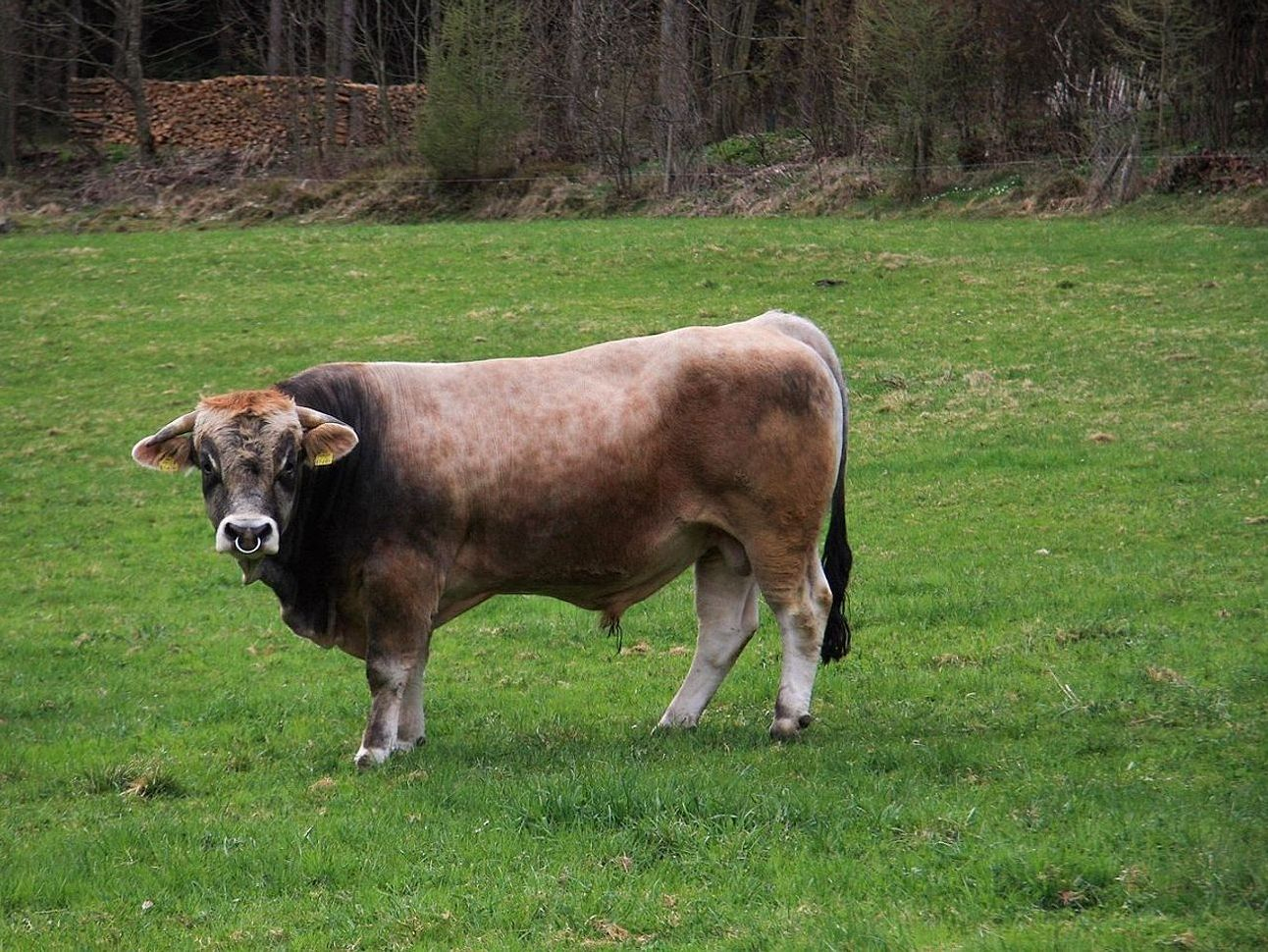
There is a short window, maybe four or five minutes, when the low sun rakes sideways across the pasture and every ridge in the ground stands up, catching the backs of the bulls and the curve of every calf's ear. Then it lifts, the shadows shorten, and the cattle barn and everything around it goes back to looking like an ordinary working morning.
The temptation now is to reach for a camera, and there is nothing wrong with that, though almost every farmer reports the same result. The photographs of the cattle grazing in that light are fine, and they are not the thing. What a photograph cannot hold is the twenty cold minutes of standing still at the pasture fence that came before it, waiting for the herd to decide the day had started.
Back to the barn
The mornings that fail are useful too. Flat grey light, wind that makes the cattle restless and hard to settle, an hour of walking the pasture for nothing you could describe to anyone afterwards — these are what make the good mornings legible. Without them the whole business of raising farm animals collapses into routine, and you stop noticing the difference between an ordinary day and a good one.
Go often enough and the mornings stop being interchangeable. You start to recognise the ones that will turn out well from the feel of the air on the way to the cattle barn, and you are wrong often enough to keep going back anyway. The honest reason has little to do with light: for one hour nothing is asked of you, no gate needs mending, no bull needs separating, and the day has not yet begun making its case. It is the one stretch of livestock farming that belongs entirely to you and the herd.
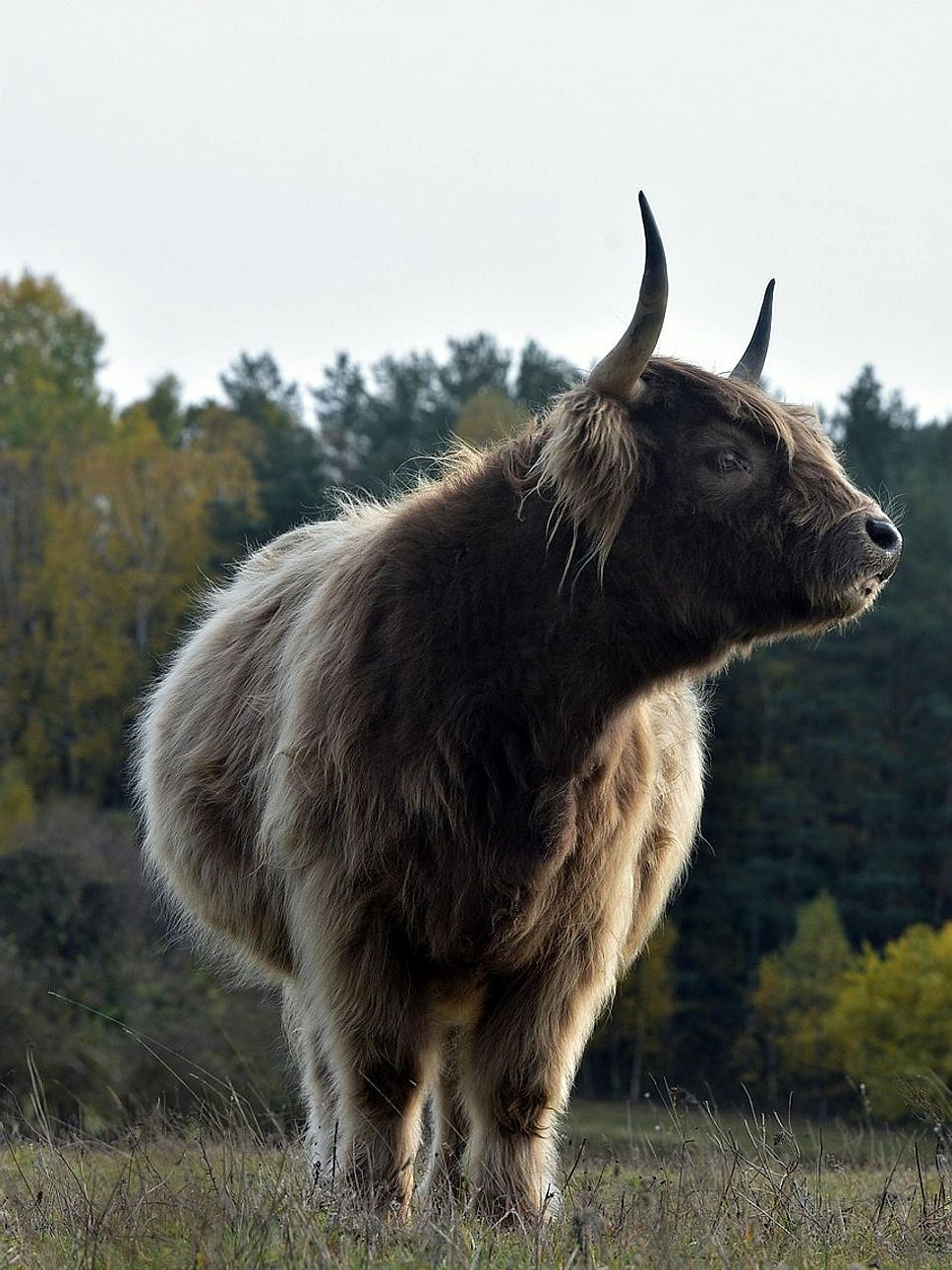
Tom R. has spent more mornings in the cattle barn than anywhere else, and has overseen the bull breeding program here since the farm's very first calving season.